Comparing the 2026 Mercedes-Benz E-Class and S-Class
At some point in the luxury sedan evaluation process, buyers who have narrowed their consideration to Mercedes-Benz face a question that sounds simpler than it actually is: Is the S-Class meaningfully better than the E-Class in the ways that matter to my daily life, or am I paying a significant premium for distinctions that primarily impress people who notice luxury brand hierarchy rather than people who sit in the vehicle? The 2026 Mercedes-Benz E-Class vs. S-Class comparison is worth taking seriously rather than defaulting to the assumption that more expensive automatically means more appropriate — because the E-Class has genuinely closed the gap with the S-Class on technology, interior material quality, and driving refinement to a degree that makes the case for stepping up to S-Class dependent on specific priorities rather than a general desire for the best available. Rear-seat luxury in the S-Class, V8 powertrain availability, and the engineering depth of E-ACTIVE BODY CONTROL suspension represent the areas where S-Class genuinely justifies its premium over a well-specified E-Class. Mercedes-Benz of Scottsdale carries both the 2026 E-Class and S-Class and can put you in each on the same visit before you commit to either.
2026 Mercedes-Benz E-Class vs. S-Class: What Is the Real Difference?
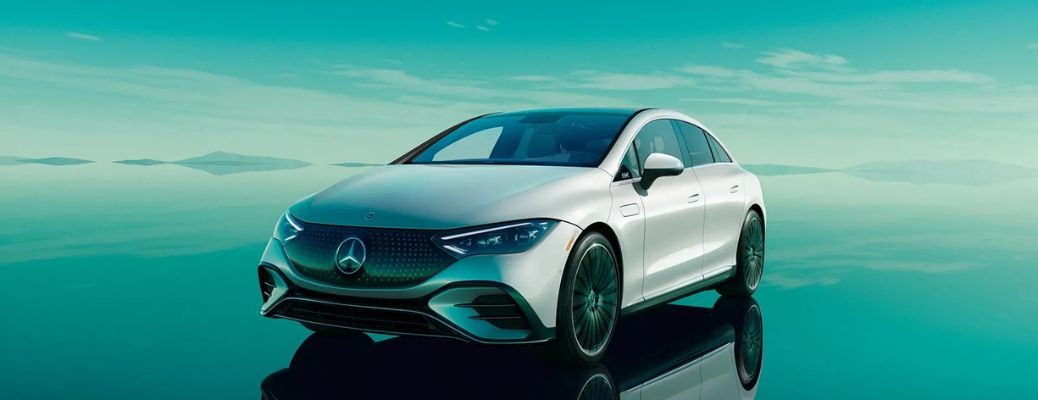
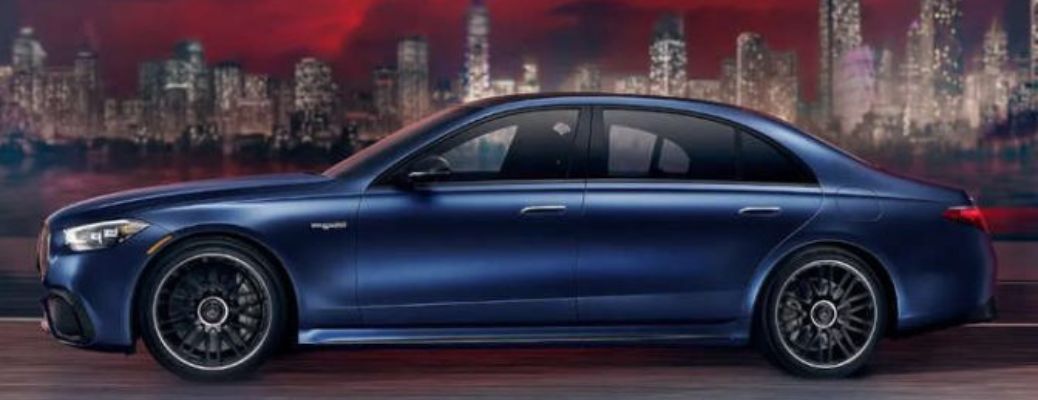
E-Class and S-Class share the same MBUX technology architecture, the same 4MATIC® all-wheel drive system, and similar turbocharged inline-six powertrains at comparable trim levels — which means the differences between them are more targeted than the price gap might suggest. S-Class arrives on a longer wheelbase with a rear cabin engineered around occupant experience as the primary design brief, air suspension with individually adjustable damping at each corner as standard equipment, and V8 powertrain options that the E-Class doesn’t offer in the U.S. market. E-Class delivers the current MBUX generation, comparable front-seat luxury to the S-Class, and a driving character that many buyers find more engaging precisely because its size and suspension tuning are calibrated toward driver involvement rather than passenger isolation.
What’s New Inside the 2026 Mercedes-Benz E-Class: MBUX Updates Every Scottsdale Driver Should Know
E-Class vs. S-Class Performance: How Different Do They Feel?
E 450 4MATIC produces 375 horsepower from a turbocharged inline-six with EQ Boost mild-hybrid assistance, reaching 60 mph in approximately 4.9 seconds — a figure that feels appropriately urgent for a luxury sedan and suits Scottsdale’s driving mix of surface streets and freeway segments without demanding anything from the driver to feel adequately powered. S 580 4MATIC reaches 60 mph in approximately 4.4 seconds from a 4.0-liter twin-turbocharged V8 producing 496 horsepower — a meaningfully stronger performance character that V8 buyers will notice in the mid-range pull and exhaust note alongside the acceleration numbers. If driving engagement is a primary criterion, the E-Class’s more connected steering and lighter body dynamic personality may actually appeal to you more than the S-Class’s deliberate isolation, which is a counterintuitive outcome worth investigating through actual test drives rather than assuming that S-Class performance superiority translates to a better driving experience for every buyer’s preferences.
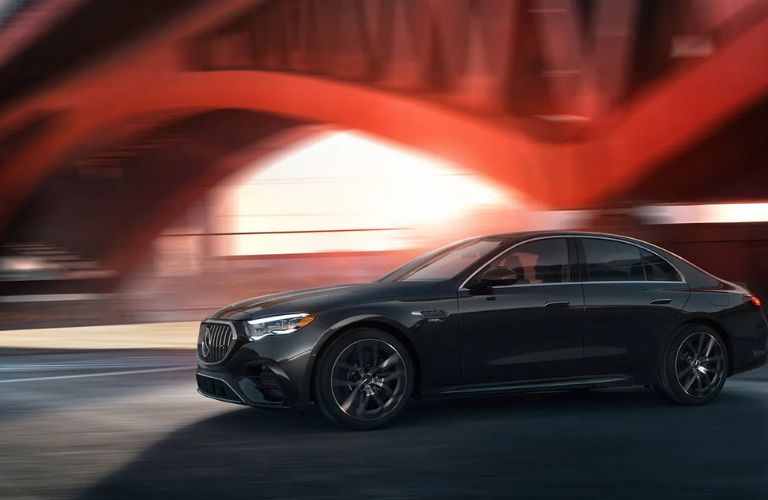
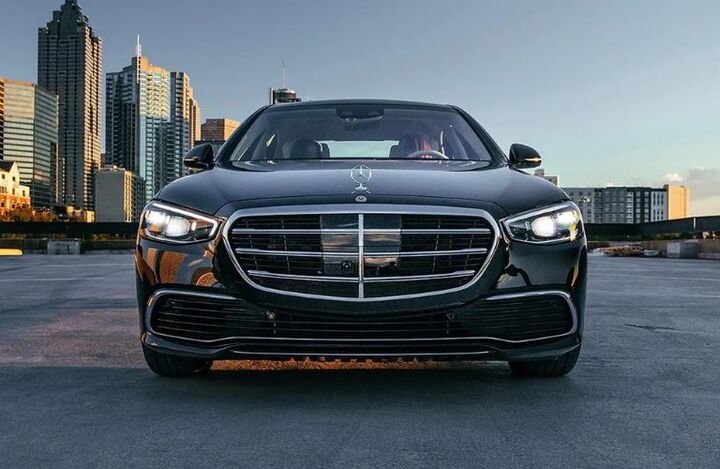
Which Has the More Luxurious Interior: E-Class or S-Class?
A front-seat comparison between the E-Class and S-Class at equivalent specifications yields a closer result than the price differential suggests — the material quality, display configuration, and ambient lighting system deliver comparable luxury at eye level and within arm’s reach of the driver in both vehicles. S-Class distinction becomes most apparent in the rear cabin, where the available Executive Rear Seat Package provides reclining positions reaching 43.5 degrees, powered leg rests, massage functions, and individual rear MBUX tablets that the E-Class rear seat, however comfortable, doesn’t match in feature depth or the specific accommodation geometry that S-Class’s longer wheelbase enables. If you regularly occupy the rear seat yourself or carry passengers who will, the S-Class earns its premium in that specific experience. If you primarily drive rather than ride, the E-Class front seat doesn’t leave you wanting for anything the S-Class provides from the driver’s position.
E-Class vs. S-Class Technology: Which Cabin Feels More Advanced?
MBUX Superscreen — the panoramic curved display spanning the full dashboard — is available on both the E-Class and the S-Class, which means the headline technology specification doesn’t automatically favor the more expensive sedan. S-Class adds available rear-seat MBUX tablets, a more comprehensive Burmester® 4D Surround Sound installation, and available active noise cancellation that suppresses road noise through speaker-based interference — technology investments that rear-seat passengers and audio enthusiasts will find meaningful but that don’t register for front-seat drivers who interact with the same core MBUX system in both vehicles. Over-the-air update capability, natural-language voice control, and augmented-reality navigation appear in both sedans — the technological distinction between E-Class and S-Class is real but specific rather than categorical.
Which Mercedes-Benz Sedan Is Better for Scottsdale and Phoenix Driving?
For the dominant Scottsdale driving scenario — primarily front-seat driving on valley surface streets and freeways with occasional highway trips to northern Arizona — E-Class covers the experience comprehensively without the rear-cabin luxury that its primary occupant won’t access from the driver’s seat. S-Class makes the stronger case for buyers whose Scottsdale lifestyle involves being driven rather than driving, who entertain business associates or family members in the rear seat regularly, or whose primary criterion is owning the most complete expression of Mercedes-Benz sedan engineering rather than optimizing value within the sedan range. Arizona’s lack of sustained winter weather removes one traditional AWD justification, so the choice between the E-Class and S-Class in this market comes down to interior priorities and powertrain preferences rather than the all-weather traction argument that northern-state buyers factor into the same comparison.
E-Class vs. S-Class Ride Comfort and Driving Character
E-Class with available E-ACTIVE BODY CONTROL suspension delivers adaptive damping that manages body motion and improves ride quality on Arizona’s varied road surfaces — but the standard E-Class setup without this option still represents a composed, settled ride that suits long-distance desert highway travel without demanding the premium that the full active suspension adds to the transaction. S-Class comes with air suspension as standard equipment across configurations, providing the ride quality baseline that E-Class reaches only at higher specification, which means a base S-Class and a base E-Class present a more significant ride quality difference than a comparison of equivalent specification levels would suggest. E-Class driving character rewards engaged steering inputs; S-Class driving character rewards passengers who want the road to disappear beneath them — and those are genuinely different experiences that driver-centric buyers should evaluate honestly before assuming S-Class is the better driving vehicle.
Luxury in Every Detail: Exploring the New MANUFAKTUR Options for the 2026 S-Class
2026 E-Class or S-Class: Which One Fits Your Lifestyle?
Choose E-Class if you prioritize driver engagement alongside luxury, spend more time in the front seat than the rear, want the current MBUX technology in a package that doesn’t require S-Class acquisition cost to access, and find the performance of a turbocharged inline-six adequate for the driving you actually do. Choose S-Class if rear-seat accommodation for adult passengers is a consistent use-case requirement, the V8 powertrain’s character matters to you beyond the inline-six’s adequate performance, or you want the most complete expression of Mercedes-Benz sedan engineering without evaluating where the investment is and isn’t fully utilized in your specific daily life. Neither answer is wrong — the comparison demands honest self-assessment rather than defaulting to the more expensive option as the safer choice.
Explore the 2026 Mercedes-Benz E-Class and S-Class in Scottsdale, AZ
Resolving the 2026 Mercedes-Benz E-Class vs. S-Class question for your lifestyle requires time in both vehicles rather than confidence in the hierarchy that the nameplate positioning implies. Visit Mercedes-Benz of Scottsdale to evaluate current E-Class and S-Class inventory across available specifications, sit in both rear cabins and both driver’s seats, review financing options that make both sedans accessible within your ownership parameters, and schedule test drives that let each vehicle make its own case on Scottsdale roads you recognize.