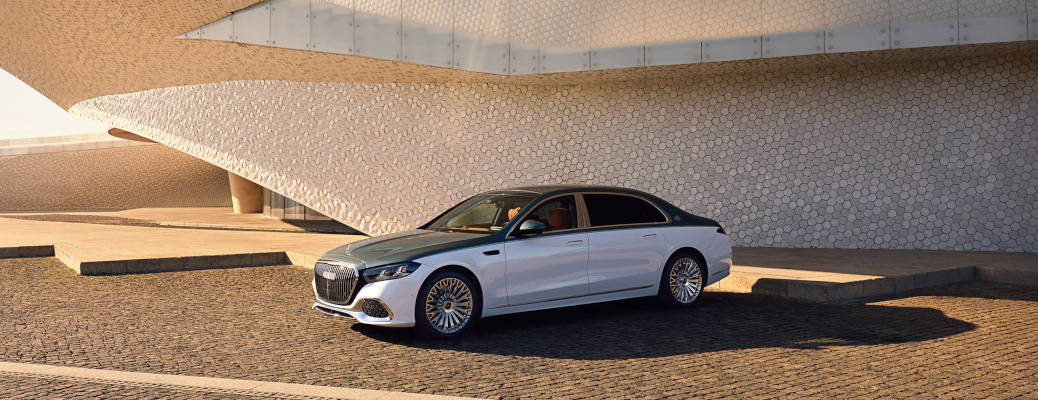
What does the Mercedes AIRMATIC® suspension button do?
The Mercedes AIRMATIC suspension button allows drivers to manually adjust vehicle ride height and select distinct damping profiles like Comfort or Sport modes. Pressing this console button signals an electronic control unit to alter pneumatic bellows pressure, optimizing chassis clearance for rough surfaces or stiffening the ride for high-speed highway handling.
The Mechanics of Floating Over Asphalt
Gliding over imperfect valley roads requires a highly sophisticated, active chassis setup to preserve unparalleled comfort. The service specialists at Mercedes-Benz of Scottsdale, situated in beautiful Scottsdale, AZ, know that curious owners often wonder, how does AIRMATIC® suspension work? To maintain a smooth ride, the vehicle discards traditional steel coil springs in favor of electronically controlled air bellows.
Furthermore, these premium air struts continuously adjust to the weight of your passengers and cargo layout. When sensors detect changes in vehicle load, a powerful onboard compressor instantly adjusts air volume inside the rubber chambers. Consequently, the automobile stays perfectly level, maintaining its factory geometry regardless of the carrying conditions. Therefore, understanding how AIRMATIC® suspension works helps drivers appreciate the massive engineering advantages behind premium luxury car ride quality.
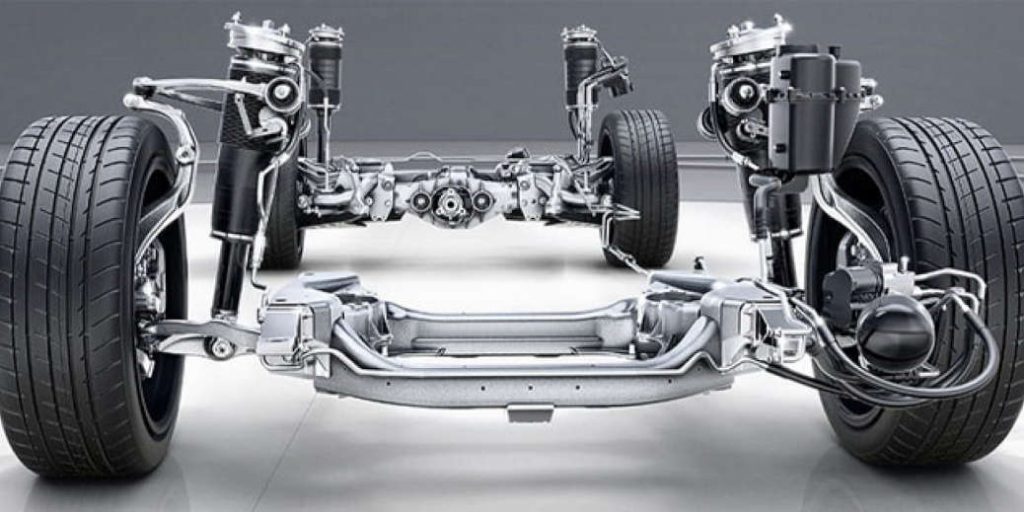
Four Core Elements of Active Level Control
To achieve precise control across changing road surfaces, the active chassis hardware relies on a network of high-speed components. These elements cooperate continuously to adapt to driver inputs and highway speeds.
- Pneumatic Air Struts: Robust rubber bellows replace steel springs, using variable air volume to absorb harsh road impacts.
- Adaptive Damping System: Specialized electronic shock valves adjust internal oil flow rates within milliseconds to control body roll.
- Onboard Air Compressor: A powerful central pump supplies highly pressurized air to individual reservoirs for immediate adjustments.
- Automatic Highway Lowering: The vehicle drops its ride height by up to 0.6 inches at speeds above 68 mph to reduce aerodynamic drag.
Why Adaptive Air Controls Matter in the Valley
Many performance enthusiasts assume that traditional suspension systems offer an acceptable balance between sport handling and daily comfort. However, fixed setups cannot adapt dynamically to sudden dips, steep driveway transitions, or the high temperatures of Arizona roads. The active pneumatic setup solves this issue by continuously analyzing road input data from specialized wheel sensors.
Moreover, because the electronic management system operates in real time, it stiffens individual dampers during hard cornering maneuvers. This automated adjustment reduces body roll without compromising the smooth highway compliance that luxury drivers expect. If you ignore routine maintenance, worn components or small air leaks can force the compressor to overwork and fail. Scheduling a regular Mercedes AIRMATIC® suspension service ensures the system retains its factory seals and preserves peak performance.
You Might Also Like: 2026 Mercedes-Benz GLC vs GLE: Which Luxury SUV Fits Your Driving Style?
Schedule Your Premium Chassis Inspection at Mercedes-Benz Scottsdale
Do not let worn suspension components compromise your safety or degrade the premium ride quality of your fine automobile. The factory-trained technicians at Mercedes-Benz of Scottsdale possess the specialized diagnostic equipment required to calibrate your active air struts perfectly. Whether you require a routine system check or advanced component replacements, our team delivers immaculate mechanical care. Visit Mercedes-Benz Scottsdale today to experience our world-class hospitality and ensure your vehicle continues to deliver a genuinely unparalleled driving experience.
Disclaimer Section
- System cannot overcome the laws of physics, nor is it a substitute for being attentive to driving, traffic and conditions. Please always wear your seat belt. Performance is limited by available traction, which snow, ice and other conditions can affect. Always drive carefully, consistent with conditions. Best performance on snow is obtained with winter tires.