Benefits of High-Performance Tires for Mercedes-Benz
Every Mercedes-Benz leaves the factory with tires selected specifically for that model’s weight, suspension geometry, and performance targets — and understanding how high-performance tires enhance Mercedes-Benz performance and safety helps owners make better decisions when replacement time arrives. Tires represent the only contact point between a vehicle and the road, which means their compound, construction, and size directly affect handling response, braking distances, wet-weather traction, and the effectiveness of every electronic safety system the vehicle runs. Replacing original tires with non-approved alternatives can undermine years of Mercedes-Benz chassis engineering in ways that aren’t always obvious until a situation demands maximum performance from the car. Mercedes-Benz of Scottsdale’s service department carries approved tire options across the full Mercedes-Benz lineup and can help you identify the right replacement for your specific model.
What Makes High-Performance Tires Different?
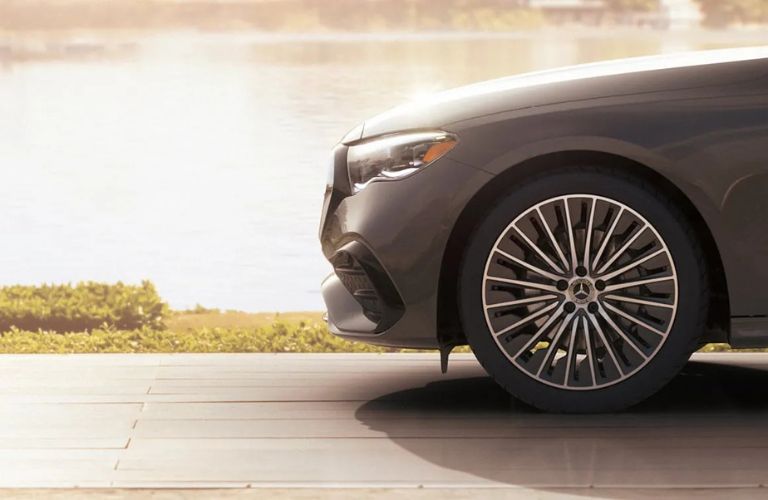
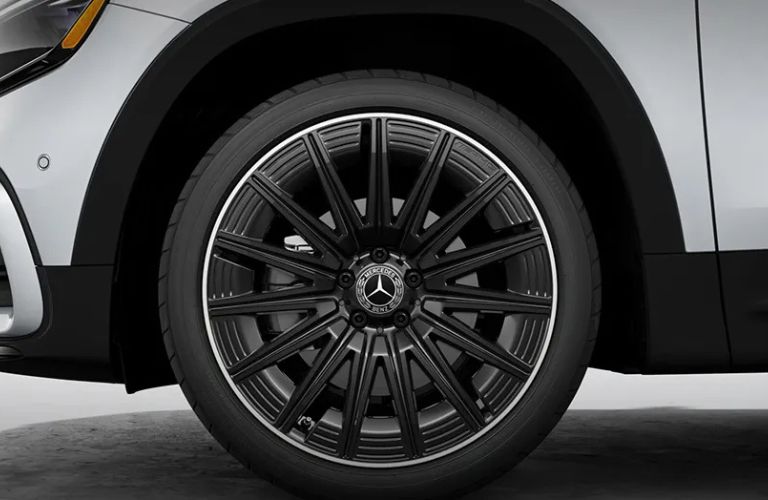
High-performance tires use softer rubber compounds than standard passenger tires, increasing the contact patch’s grip on road surfaces at the cost of faster wear — a trade-off that performance vehicles accept in exchange for the handling capability the compound provides. Stiffer sidewall construction reduces lateral flex during cornering, improving steering response and reducing the delay between driver input and vehicle response that softer sidewalls introduce. Tread patterns on performance tires prioritize water evacuation at higher speeds, maintaining wet-weather grip at velocities where standard tire tread patterns begin to lose effectiveness due to hydroplaning risk.
What Causes the “Check Coolant Level” Warning in a Mercedes-Benz Vehicle?
How High-Performance Tires Improve Mercedes-Benz Performance
Replacing worn or incorrect tires with properly specified high-performance alternatives restores the handling balance that Mercedes-Benz engineers calibrated for a specific model — and, in some cases, improves on the standard fitment for drivers who prioritize dynamic response over ride comfort. Larger contact patches generated by wider tire profiles increase cornering grip, allowing drivers to carry more speed through directional changes without the tire losing adhesion at the limit. Reduced sidewall flex also improves turn-in response, making steering inputs feel more connected and immediate — a characteristic that AMG models in particular are designed to communicate clearly.
Safety Benefits of High-Performance Tires
Shorter braking distances represent the most directly measurable safety benefit of high-performance tires — the softer compounds that increase grip during acceleration and cornering also reduce the distance required to bring the vehicle to a stop from highway speeds. Electronic safety systems, including ABS, stability control, and traction control all perform more effectively when the tires beneath them maintain optimal contact with the road surface. Worn or improperly specified tires force these systems to work against a compromised foundation, which reduces their effectiveness precisely in the high-demand situations where they matter most.
Mercedes-Benz Tire Technology and Engineering
Mercedes-Benz works directly with tire manufacturers, including Michelin, Continental, Pirelli, and Bridgestone to develop vehicle-specific tire approvals — often indicated by manufacturer-specific sidewall markings such as the star symbol used for Mercedes-approved Michelin fitments. These approvals confirm that the tire has been tested and validated specifically for that vehicle’s suspension geometry, weight distribution, and electronic system calibration rather than simply meeting a general size and load rating. Using non-approved tires that meet dimensional specifications but lack manufacturer validation can affect ride quality, handling balance, and the predictability of safety system intervention in ways that aren’t immediately apparent during normal driving.
When Should You Replace High-Performance Tires?
Tread depth below 2/32 of an inch represents the legal minimum in most states, but high-performance tires begin losing meaningful wet-weather grip well before reaching that threshold — many manufacturers recommend replacement consideration at 4/32 to maintain the performance characteristics the tires were designed to provide. Age matters alongside wear: rubber compounds harden over time regardless of tread depth, and tires older than six years should be inspected carefully, even if they appear to have usable tread remaining. Scottsdale’s heat accelerates rubber degradation compared to cooler climates, making age-based inspection particularly relevant for Arizona drivers who may not accumulate high mileage but expose their tires to sustained elevated temperatures.
Beyond the Star: How Genuine Mercedes-Benz Parts Protect Your Warranty and Resale Value
Visit Mercedes-Benz of Scottsdale for Tire Service and Performance Maintenance
High-performance tires enhance Mercedes-Benz performance and safety most effectively when they’re selected, installed, and maintained correctly — and Mercedes-Benz of Scottsdale provides all three. Schedule a tire inspection or replacement appointment with our service team, explore current inventory if you’re considering a new Mercedes-Benz while you’re here, and let us help you keep your vehicle performing the way it was engineered to perform.