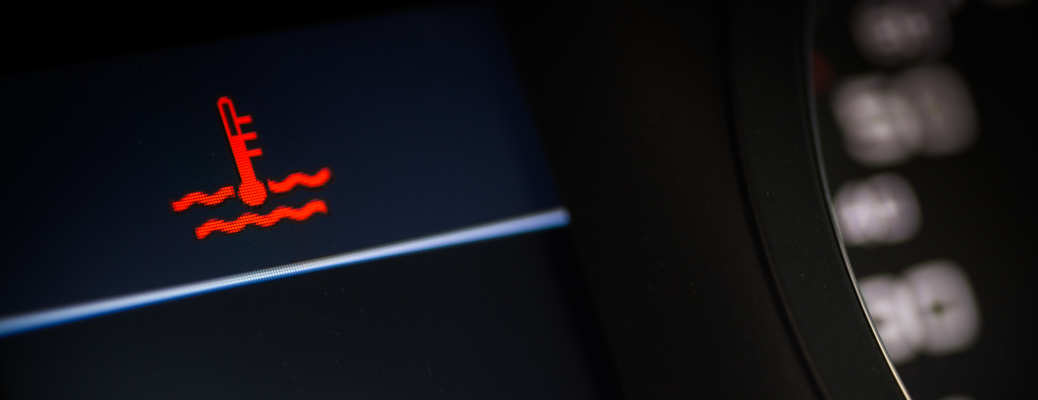
How to Fix the Check Coolant Level Warning on Mercedes-Benz Vehicles
A warning light on your dashboard is never something to brush aside — especially in a precision-engineered vehicle. The “Check Coolant Level” warning in a Mercedes-Benz vehicle is one of those alerts that deserves prompt attention, even if the car seems to be running fine at the moment. Coolant plays a critical role in regulating engine temperature, preventing overheating, and protecting internal components from long-term wear. If you’re seeing this warning and you’re in the Scottsdale, Arizona area, the service team at Mercedes-Benz of Scottsdale can diagnose and resolve the issue quickly.
Top Causes of the Coolant Level Warning
Gradual Evaporation Over Time: Some coolant loss is normal over tens of thousands of miles. As the system ages, small amounts of fluid can evaporate or seep past aging seals, gradually lowering the reservoir level without any visible leak beneath the car.
Beyond the Star: How Genuine Mercedes-Benz Parts Protect Your Warranty and Resale Value
Coolant Leaks in the System: A more urgent cause is an active leak — from a cracked hose, a failing water pump, a loose clamp, or a compromised radiator. These leaks can range from a slow drip to a more significant loss of fluid, and they typically require hands-on inspection to identify the exact source.
A Faulty Coolant Level Sensor: Occasionally, the warning appears not because the fluid is actually low, but because the sensor monitoring the reservoir has malfunctioned. This is less common but worth ruling out, particularly if you’ve recently topped off the coolant and the warning persists.
Head Gasket Issues: In more serious cases, coolant can enter the combustion chamber through a failing head gasket — a repair that becomes far more expensive the longer it goes unaddressed. White smoke from the exhaust or a sweet smell near the engine are warning signs worth noting alongside the dashboard alert.
Is It Safe to Drive with This Warning?
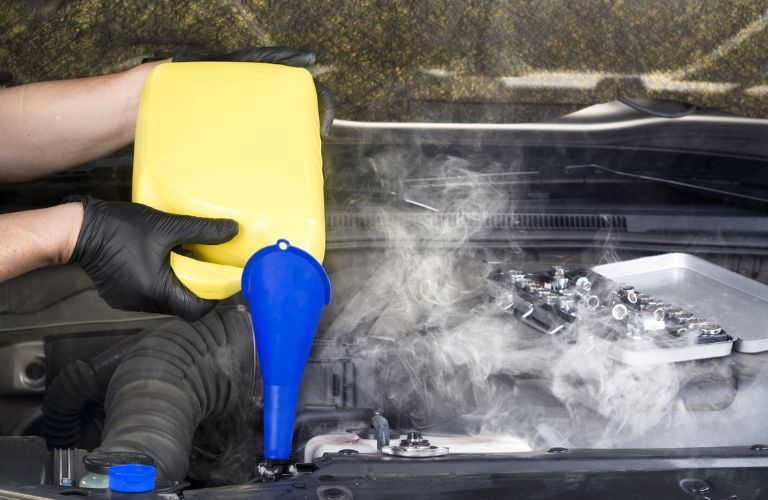
Short answer: not for long. Running an engine low on coolant raises operating temperatures quickly, and sustained heat can cause significant damage to the cylinder head, engine block, and surrounding components. If the warning appears while you’re driving, reduce your speed, avoid prolonged idling in traffic, and get the vehicle inspected as soon as possible. If the temperature gauge starts climbing toward the red zone, pull over immediately and let the engine cool before proceeding.
How to Check Your Mercedes Coolant Level
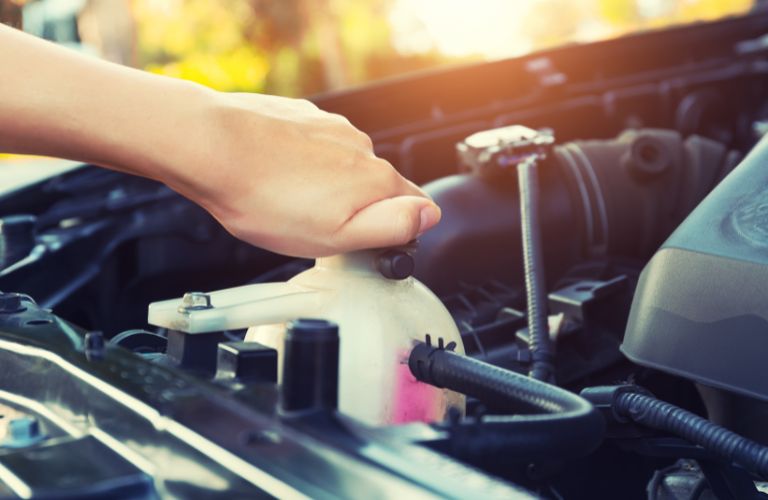
Checking the coolant reservoir is straightforward, though there are a few important rules to follow. Always wait until the engine is fully cool — opening the reservoir cap on a hot engine can cause pressurized coolant to spray, resulting in burns. Once the engine is cold, locate the translucent coolant reservoir under the hood and check whether the fluid sits between the MIN and MAX markings. Mercedes-Benz vehicles require a specific coolant formulation — typically a blue or blue-green antifreeze approved for Mercedes engines — so avoid topping off with a generic product from a convenience store. If the level is consistently dropping between checks, that points to a leak rather than normal evaporation.
Spring Cleaning for Your Mercedes: Detailing Tips to Protect Your Car’s Paint from Arizona Dust
Schedule a Coolant Inspection Service at Mercedes-Benz of Scottsdale
If you’d rather have a trained technician handle the inspection — which is always the smarter call for a vehicle as sophisticated as a Mercedes-Benz — the service center at Mercedes-Benz of Scottsdale is well-equipped to help. Our certified technicians can pressure-test the cooling system, identify any leaks, inspect the water pump and hoses, and ensure the correct coolant mixture is used throughout. Visit us to get the issue diagnosed, ask about current service offers, and keep your vehicle performing the way it was built to. Our service team is ready to help — and your engine will thank you for it.