How do you prevent blowouts on hot desert roads?
Drivers can prevent blowouts on hot desert roads by checking tire pressure weekly when the tires are completely cold and ensuring inflation matches the manufacturer’s door placard exactly. Additionally, motorists must eliminate underinflation to minimize sidewall flexing, monitor tread depth to maintain proper heat dissipation, and replace any tires that are more than 6 years old.
The Shocking Physics of Summer Driving
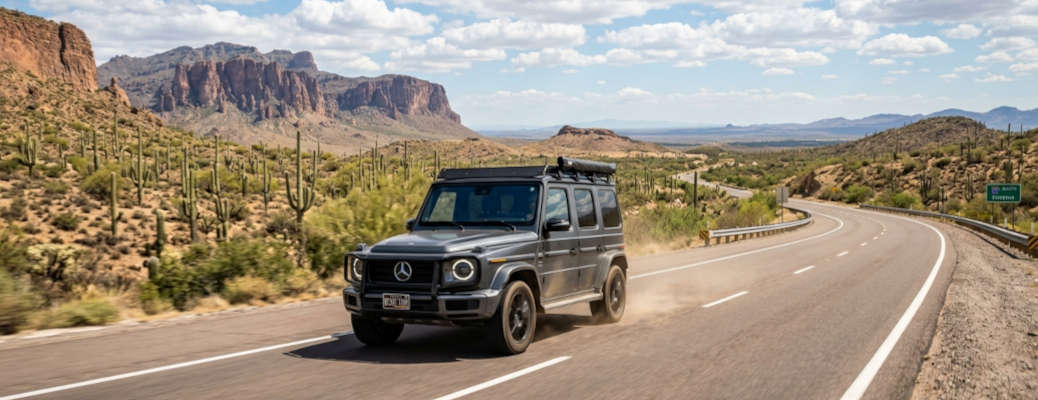
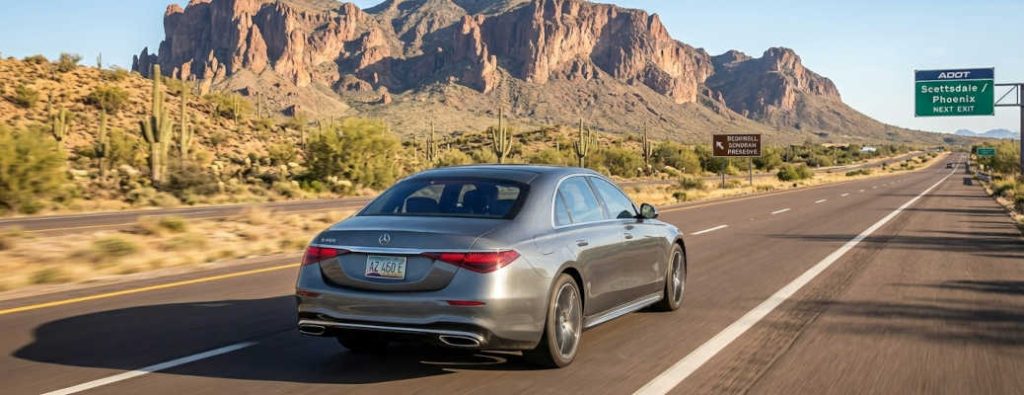
Sustaining peak vehicle performance during an Arizona summer requires a proactive approach to automotive maintenance. The team at Mercedes-Benz of Scottsdale, located in the heart of Scottsdale, AZ, witnesses firsthand how intense thermal energy degrades rubber compounds. When ambient temperatures cross the triple-digit mark, the actual temperature of the blacktop pavement can easily soar past 160 degrees Fahrenheit. Consequently, this extreme exterior heat transfers directly into your vehicle’s wheels, causing internal air molecules to expand rapidly.
Furthermore, driving at highway speeds generates intense internal friction within the tire structure itself. If a vehicle operates with improper inflation or hidden structural wear, the combination of road heat and mechanical stress creates a volatile environment. This structural strain often culminates in sudden, dangerous tread separation while traveling at high speeds. Therefore, understanding the mechanics of high-heat rubber preservation is an essential safety requirement for every luxury vehicle owner in the Valley.
Essential Protocols for Scorching Asphalt
To safeguard your vehicle against catastrophic tire structural failure, you must establish a strict monitoring routine. Implementing specialized desert tire care to prevent blowouts reduces roadside emergency risks significantly.
- Measure Inflation While Cold: Always check your inflation levels in the early morning before driving, because rolling friction artificially inflates readings by several pounds.
- Eliminate Underinflation Entirely: Running on low air pressure forces the rubber sidewalls to flex aggressively, generating massive internal heat buildup.
- Decode the Door Placard: Always rely on the recommended inflation numbers printed on your driver-side door jamb rather than the maximum pressure stamped on the tire wall.
- Execute Regular Rotations: Scheduling professional adjustments every 6,000 miles ensures uniform tread wear and prevents localized heat vulnerabilities.
- Inspect the Sidewalls: Search continuously for subtle bulges, surface cracks, or embedded road debris that could expand under high thermal pressure.
Understanding the Hidden Triggers of Failure
Many motorists mistakenly believe that overinflation serves as the primary cause of summer tire structural failures. However, automotive engineering data reveals that severely underinflated tires actually trigger the vast majority of hot-weather blowouts. When a tire lacks sufficient air pressure, a larger surface area of the rubber footprint continuously contacts the baking asphalt. As a result, the tire experiences excessive rolling resistance and severe casing deflection.
Moreover, a worn-down tread pattern cannot channel heat away from the core tire carcass effectively. Because thick tread grooves act as a natural cooling mechanism, bald or balding tires retain destructive thermal energy. Aging rubber compounds also dry out over time, making older tires uniquely susceptible to structural breakdown when subjected to intense desert driving conditions.
You Might Also Like: A Guide to Choosing the Perfect Tires for Your Mercedes
Restore Maximum Travel Security at Mercedes-Benz of Scottsdale
Do not let extreme desert road temperatures compromise your safety or interrupt your summer travel plans. The certified factory technicians at Mercedes-Benz of Scottsdale stand ready to perform comprehensive safety inspections, precise wheel alignments, and professional pressure calibrations. If your luxury vehicle requires a fresh set of high-performance summer rubber, we offer an elite inventory of manufacturer-approved brands. Visit Mercedes-Benz Scottsdale today to fortify your vehicle against the elements and experience unparalleled peace of mind on the road.
Disclaimer Section
- Performance is limited by available traction, which extreme road surface temperatures, debris, and weather conditions can affect. Always drive carefully and adapt your vehicle speed to match current road conditions.
- System alerts from your vehicle’s Tire Pressure Monitoring System should be addressed immediately. A dashboard warning light indicates that inflation levels have deviated safely from factory standards.